Inside Algorithmic Tweaks That Sync Free-Spin Triggers With Regional Compliance Rules Across App-Based Platforms
Lars Sullivan · Oct 21, 2026
Inside Algorithmic Tweaks That Sync Free-Spin Triggers With Regional Compliance Rules Across App-Based Platforms
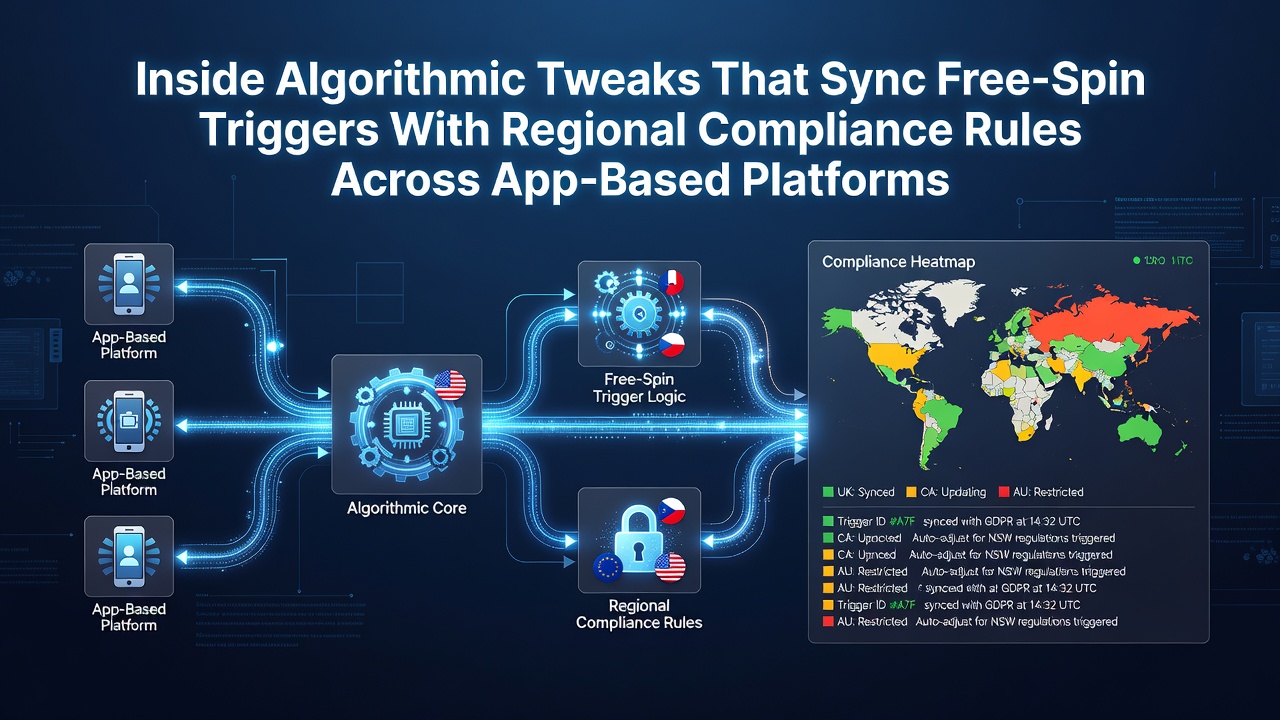
App-based platforms adjust free-spin trigger mechanisms through layered algorithms that detect user location and apply jurisdiction-specific parameters in real time. These systems pull from geo-fenced data sets, cross-reference against stored regulatory tables, and modify probability weights before any spin sequence begins. Developers build the core engine around modular rule engines where each module contains thresholds for bonus frequency, return-to-player minimums, and disclosure triggers that vary by state or country.
Core Technical Adjustments in Trigger Logic
Engineers embed conditional branches that alter reel weighting once the platform confirms a player's region. A trigger that activates every 150 spins in one market might shift to every 220 spins in another because local rules cap promotional event rates. The algorithm recalculates seed values on the fly using location flags passed through the app's API calls, while separate compliance scripts enforce minimum intervals between free-spin awards to satisfy anti-spam provisions in certain jurisdictions.
Random number generators remain certified at the base level, yet overlay scripts introduce controlled variance. When a player crosses a regional boundary, the system queues an updated lookup table that changes how near-miss patterns feed into bonus eligibility. Data logs show these switches occur within 200 milliseconds of teh location ping, preserving session continuity while meeting the letter of each rule set.
Regional Rule Sets and Their Algorithmic Mapping
Platforms serving multiple markets maintain separate compliance profiles that activate based on IP ranges and device GPS. In New Jersey, for example, rules require explicit display of bonus terms before any free-spin sequence starts, so the algorithm inserts an extra confirmation layer that pauses the trigger until the player acknowledges the message. Other states limit the total number of free spins awarded within a rolling 24-hour window, prompting the code to track cumulative awards per account and throttle future triggers once the cap nears.
Canadian provinces apply different standards around bonus transparency and player age verification. Algorithms in those regions incorporate additional verification checks that delay or suppress free-spin eligibility until the system confirms identity through linked government databases. Australian rules emphasize harm-minimization pauses, so the same trigger logic inserts mandatory time-outs after a set number of bonus rounds, resetting only after the required interval passes.
Implementation Across Major Platforms in October 2026
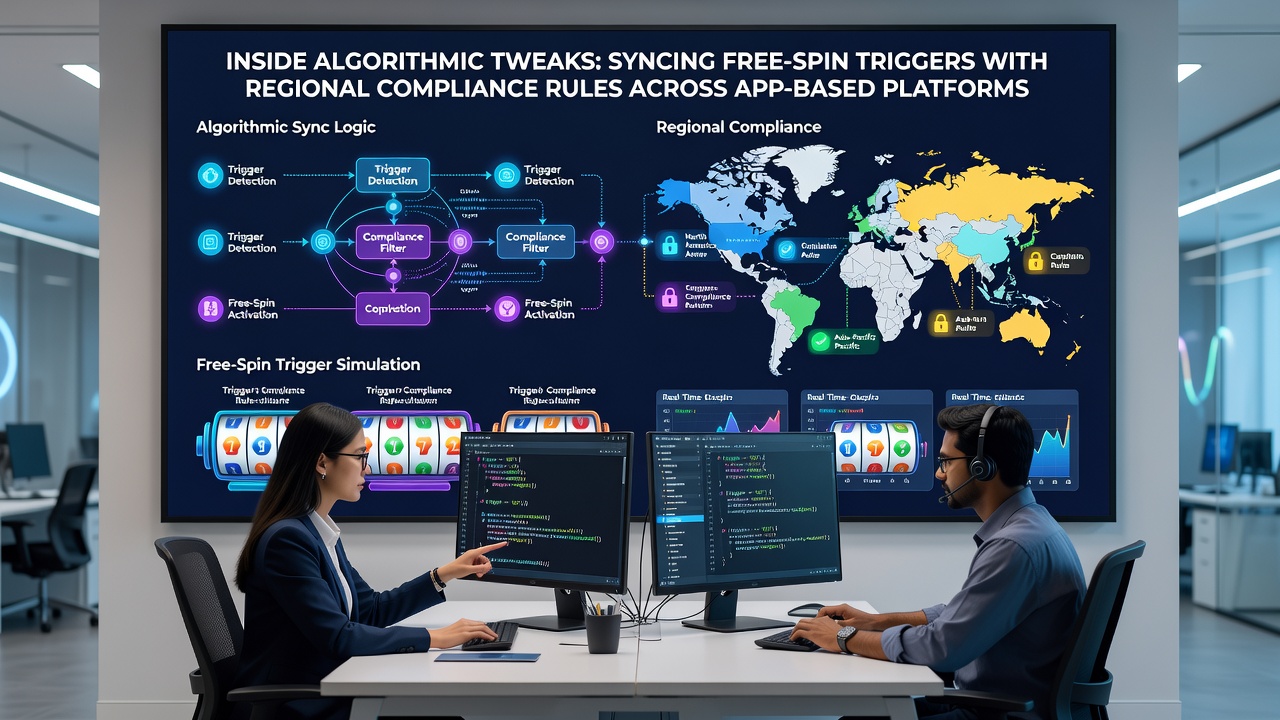
By October 2026 several major app operators had rolled out unified codebases that handle free-spin logic through centralized rule servers. These servers push daily updates containing revised trigger tables whenever regulators release new guidance. One documented change involved tightening the minimum spin count between free-spin awards in two Midwestern U.S. states after updated consumer-protection language took effect.
Testing protocols require each regional profile to run against simulated player cohorts before deployment. Engineers monitor deviation rates between expected and actual bonus frequencies, adjusting weighting coefficients when logs show consistent drift. The process relies on automated regression suites that flag any trigger pattern violating the stored compliance matrix for that jurisdiction.
Data Sources and Oversight Mechanisms
Regulators access anonymized trigger logs through secure portals that platforms maintain for audit purposes. According to reports published by the New Jersey Division of Gaming Enforcement, automated monitoring tools now flag accounts where free-spin frequency exceeds mapped regional averages by more than two standard deviations. Similar oversight structures appear in Ontario's iGaming framework, where quarterly compliance filings include raw trigger histograms broken down by postal code.
Industry groups such as the Gaming Standards Association publish technical bulletins that outline best practices for mapping bonus logic to regulatory tables. These documents describe standardized API endpoints that allow platforms to query current rule sets without embedding jurisdiction-specific constants directly in client-side code.
Conclusion
Algorithmic synchronization of free-spin triggers with regional compliance continues to evolve through iterative updates to rule engines and audit pipelines. Platforms rely on location-aware modules, certified random generators, and real-time lookup tables to maintain eligibility across borders. As new jurisdictions introduce or revise bonus-related statutes, developers adjust the same underlying code structure rather than rebuilding separate applications for each market.